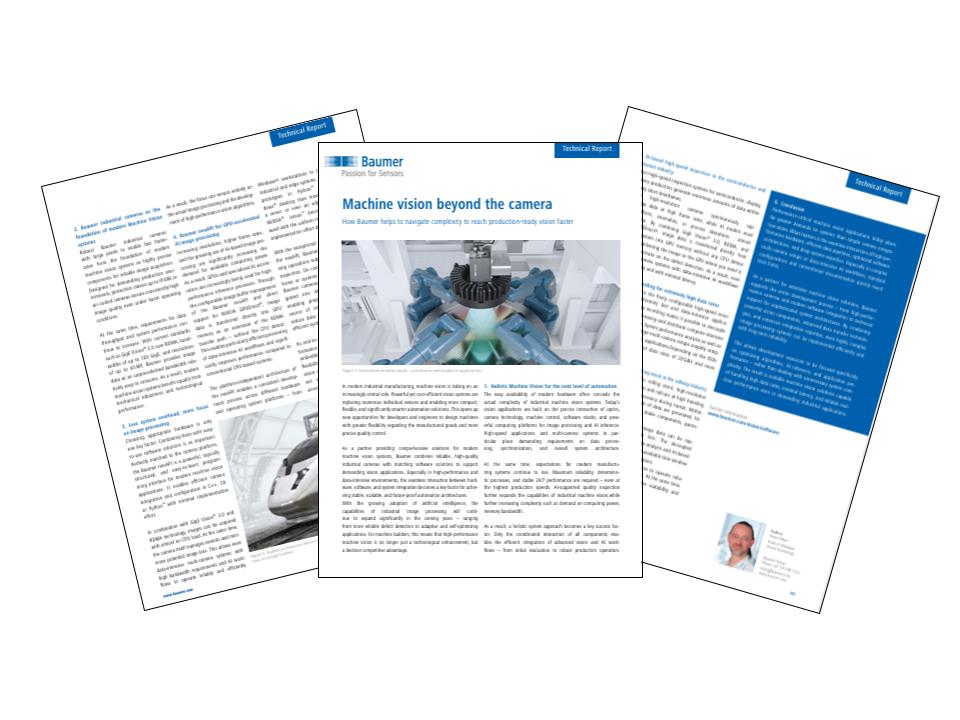
As industrial applications continue to push the limits of imaging technology, machine vision integrators face growing challenges. Modern vision systems must combine high performance, scalability, and reliability while handling increasing amounts of data and ever more sophisticated inspection tasks.
Machine vision has evolved far beyond simple quality checks. Manufacturers today require greater flexibility, faster production cycles, and more intelligent decision-making.
This shift is driven by three major trends: the demand for highly flexible production down to batch sizes of one, the need for 100% quality control even on complex products, and the increasing use of vision systems to replace multiple conventional sensors with a single, intelligent imaging solution.As the capabilities of machine vision systems grow, so does their complexity.
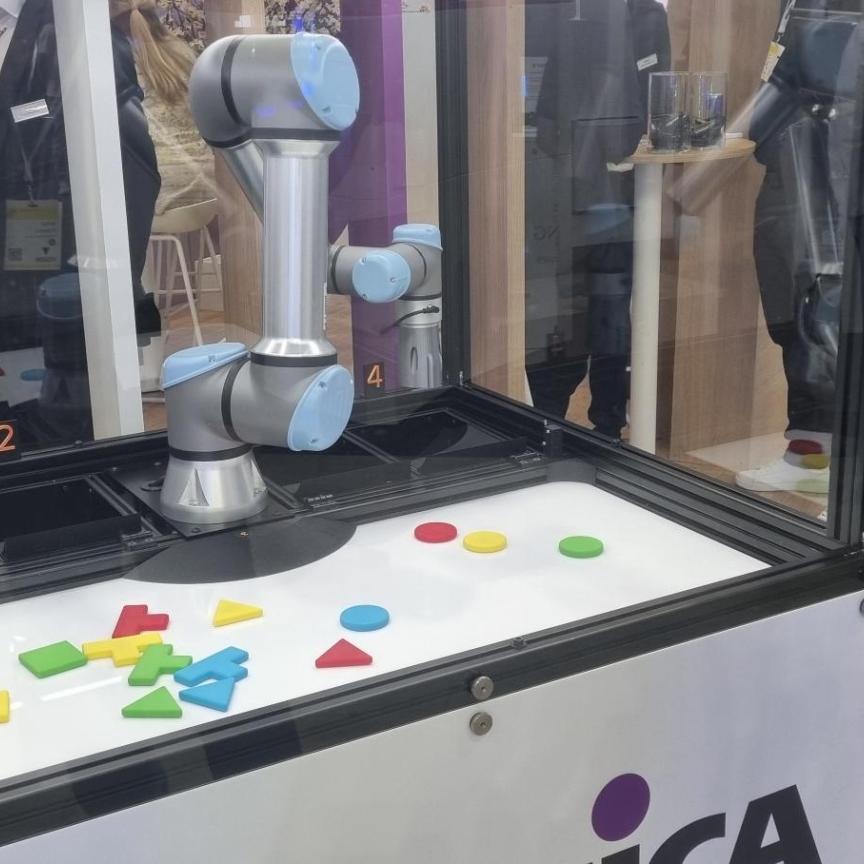
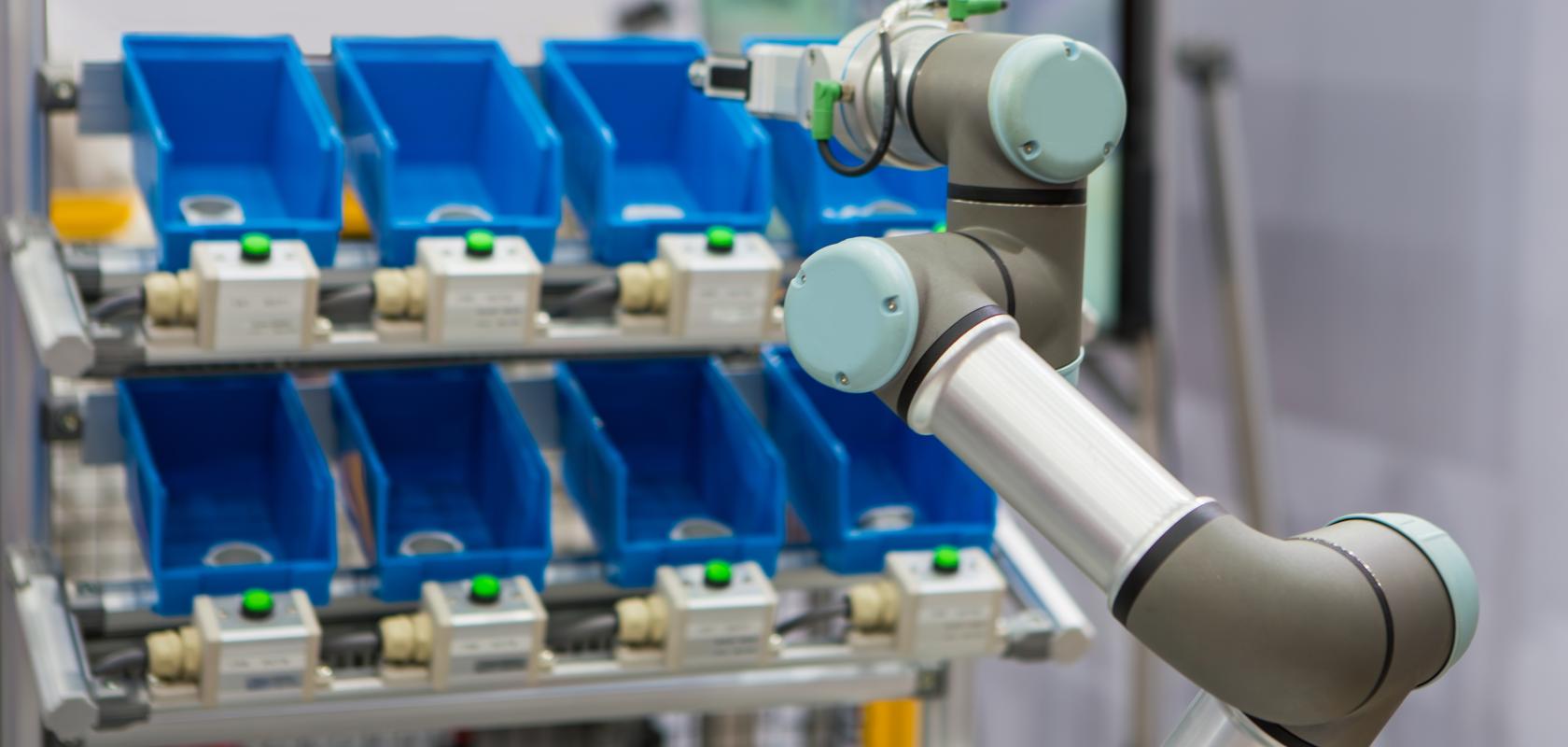
“Today, a vision integrator might be expected to support applications such as bin picking, collision avoidance, surface inspection, and the reading and tracking of multiple serial numbers,” explains Peter Felber, Product Manager Digital Imaging at Baumer. “This means more responsibilities, more cameras, higher bandwidth requirements, and the integration of multiple software environments.”
What are the challenges of modern machine vision?
The challenge is no longer selecting the right camera. The real challenge lies in transforming high-performance imaging hardware into a robust, production-ready system. Successful implementations require a carefully designed data architecture, precise synchronisation, efficient data handling, and seamless software integration.
This becomes particularly evident in multi-camera applications. From metrology and sports imaging to high-speed roll-to-roll processes and large-area inspection systems, many applications generate data volumes that exceed the capabilities of conventional network infrastructures.
How to master complexity with machine vision
As an experienced partner for high-performance machine vision systems, Baumer helps customers master this complexity. Beyond delivering powerful cameras, Baumer provides the technologies and expertise required to build efficient and scalable vision architectures.
“We support customers in integrating high-performance cameras into large multi-camera systems and applications with data rates of up to 100 GigE while maintaining minimal CPU utilisation,” says Peter Felber. “To achieve this, we provide tailor-made software solutions developed by our own experts, including high-speed image recording tools and technologies that enable GPUs to become the primary processing unit for captured image data.”
The result is significantly lower system overhead, allowing users to focus on what truly creates value: image analysis and application performance.
Analysing images for the application at hand
One example is the inspection of rolling stock and railcars. High-resolution multi-camera systems combined with high-speed recording technology enable continuous image acquisition without data loss. This provides the foundation for AI-based defect detection within defined inspection windows, ensuring reliable and efficient quality assessment.
However, railway inspection is only one example. As machine vision technology continues to advance at an unprecedented pace, new applications and performance requirements will continue to emerge.
For manufacturers and system integrators alike, the message is clear: cameras are no longer the primary challenge. Competitive advantage comes from successfully orchestrating cameras, networking, data management, processing hardware, and software into a single high-performance system.