Making spatial computing work with real-world understanding
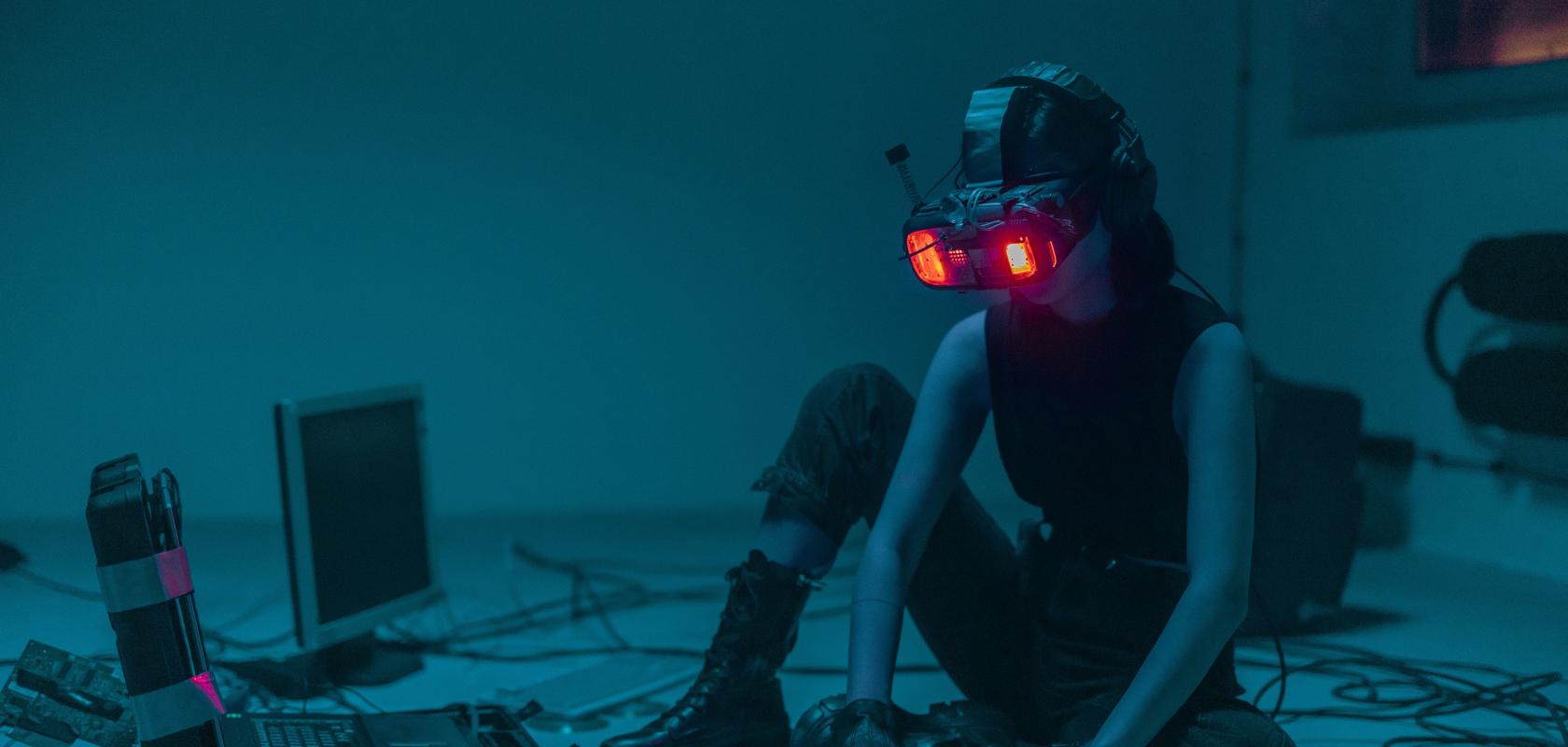
If users find physical keyboards difficult to use, spatial computing enables new forms of interaction that are centred around human input, such as gestures and head movements (Image: Consegic Business Intelligence)
Combining machine vision with AI and 3D imaging allows machines to map and navigate physical spaces in real time

Register for FREE to keep reading
Join 10,000+ vision professionals driving innovation in automation, AI and imaging with:
- Expert insights on vision, robotics, AI & embedded tech
- Newsletters and features covering the full imaging landscape
- Visionaries series: leadership strategies in imaging
- Free panels on smart manufacturing & autonomy
- White Papers & updates for smarter integration
Sign up now
Already a member? Log in here
Your data is protected under our privacy policy.